Modern football is a world of fine margins. Games are won and lost on a moment’s decision, a burst of speed, or a split-second recovery. Amid these razor-thin differences, the role of a football club’s performance department has become absolutely vital. Yet, for many fans and even casual observers, what actually goes on behind the scenes remains mysterious. This blog post peels back the curtain and explains in clear terms what a football performance department does, focusing on key tools and strategies like data analysis, sprint tracking, strength work, conditioning, and monitoring—especially in the context of challenges like fixture congestion, travel, and recovery.
The Fine Margins in Modern Football
At the highest levels, every little detail counts. Players today are athletes as much as footballers. The difference between winning three points and coming away empty-handed can be traced back to how well a player is prepared physically, mentally, and even biologically.
Here are some of the fine margins where performance departments step in:
- Speed and acceleration: In many matches, a moment’s sprint can make all the difference. Endurance levels: Players need to maintain a high work rate for 90+ minutes, sometimes more with extra time. Recovery: Especially with fixture congestion, being able to perform at peak level on short rest is crucial. Injury prevention and management: Keeping players fit and on the pitch often decides a season’s fortunes.
Fixture Congestion and Travel: The Bigger Picture Challenges
Today's football calendar is busier than ever. Clubs involved in multiple competitions might play twice a week or more for significant parts of the season, and often with international travel thrown in. This schedule poses unique challenges.
Performance departments have to manage not just the physical output during matches and training but the accumulated fatigue over weeks and months. Long journeys, late kick-offs, and irregular schedules disrupt players’ usual routines, particularly their sleep. This disruption can even affect decision-making on the pitch.

- Late matches: Can impact sleep cycles and recovery the following day. Travel: Causes jet lag and disrupts hydration and nutrition routines. Back-to-back matches: Limit time for full recovery and conditioning work.
Data Analysis: Turning Numbers into Action
One of the most profound changes in recent times is the way data analysis has transformed player preparation. Clubs now gather detailed physical, physiological, and tactical data on every player.
Sprint Data: Tracking sprint efforts during matches and training gives detailed insight into a player’s explosive ability, an often game-deciding factor. Knowing how many sprints a player completes, how fast those sprints are, and when they happen during the game helps coaches and trainers tailor conditioning and recovery plans.
For example, if a winger logs fewer sprints than usual in a match, the performance team might suspect fatigue or even a developing injury risk. Conversely, if a player is sprinting excessively, the team knows they must focus on monitoring recovery closely to avoid overuse injuries.
Metric What It Measures Why It Matters Sprint Count Number of sprints in a match or training Highlights workload and intensity Max Sprint Speed Fastest sprint speed reached Assesses explosive power and readiness Acceleration Points Number of times a player accelerates rapidly Flags physical sharpness and fatigue levelsCoaches and sports scientists use this data alongside video analysis, GPS trackers, and heart-rate monitors to make informed decisions about training loads and match readiness.
Strength Work and Conditioning: Building the Body for the Game
Physical conditioning isn’t just about being “fit.” It’s about preparing each player’s body to meet the specific demands of their role on the pitch while minimizing injury risks.
The performance department designs personalised strength programs for players, tweaking them based on the latest monitoring data. For instance, a central defender might focus more on building power and resilience against physical challenges, whereas a winger’s program emphasises explosive strength and agility.
Why Personalised Strength Work Matters
- Addresses individual weaknesses: No two bodies respond the same way—custom plans reduce injury risk. Improves match performance: Stronger muscles improve sprinting, jumping, tackling, and overall physical presence. Supports recovery: Good core strength and muscle balance decrease long-term wear and tear.
Conditioning also includes endurance work and often incorporates sessions designed to replicate the intensity and pattern of real match play. This “football-specific conditioning” ensures players can maintain the quality of their performance from the first minute to the last.
Personalised Recovery Plans: Getting Players Ready for the Next Challenge
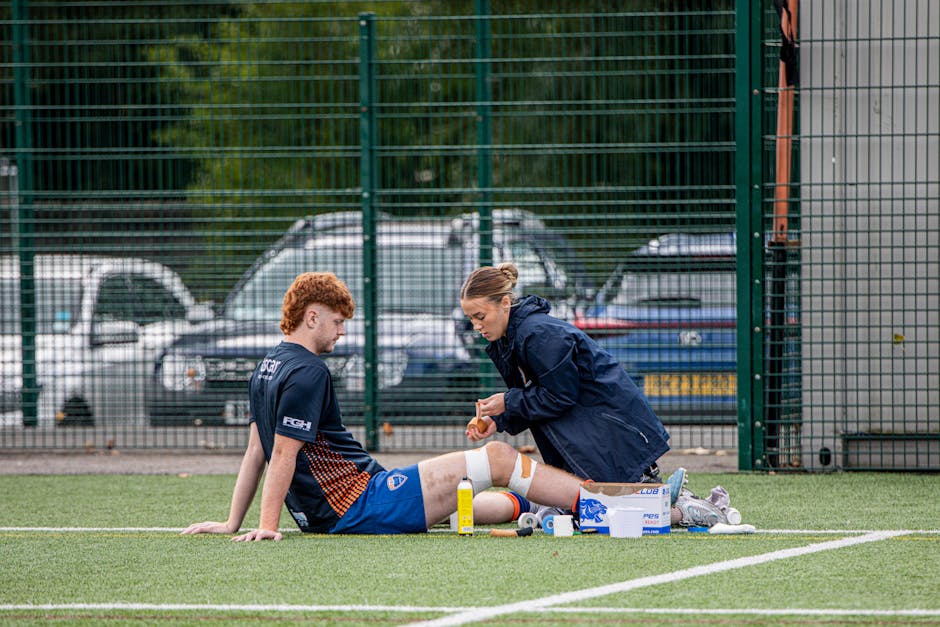
With back-to-back fixtures and constant travel, recovery is critical. Performance departments craft personalised recovery programs based on monitoring metrics and feedback. These plans often include:
- Active recovery sessions: Low-intensity cycling, swimming, or light jogging to flush out lactic acid. Physiotherapy and massage: To promote tissue repair and reduce muscle soreness. Nutrition and hydration: Tailored to replenish energy stores and support repair. Sleep management strategies: Particularly important after late matches or long travels.
Sleep Disruption after Late Matches
Late kick-offs are now a feature of many football leagues. But playing a game kicking-off at 8pm or later often means players don't get to bed until well past midnight, disrupting their circadian rhythms.
Performance staff work with players on strategies like controlled exposure to light, deciding on timing of naps, and creating optimal sleep environments to counter this disruption. The goal is to ensure even after late games, the players’ bodies recover sufficiently before the next training or match.
Monitoring: The Ongoing Process of Optimising Performance
Monitoring is at the heart of the department’s work. It involves collecting ongoing data—both objective (heart rate variability, GPS tracking, sprint data) and subjective (player self-reports on fatigue or soreness)—to guide decision-making every day.
Regular sports science football recovery monitoring answers questions like:
- Is a player ready to start another game within days? Do certain training loads increase injury risk? Are recovery protocols effective or do they need adapting?
For managers and https://reliabless.com/how-do-clubs-separate-real-recovery-methods-from-hype/ coaches, this information helps balance training intensity with recovery, ensuring players hit the pitch in peak condition without being overworked.
Conclusion: The Unsung Backbone of Football Success
The performance department may not often get the headlines, but it’s deeply woven into the fabric of what makes teams competitive today. Through data analysis, sprint tracking, personalised strength work, conditioning programs, tailored recovery plans, and careful monitoring, they unlock player potential and protect them from injury.
In a game where splitting hairs can define a season, this behind-the-scenes work allows clubs to compete week in, week out, despite relentless schedules and travel challenges. So next time your favourite player looks sharp and lasts the full 90+ minutes, remember the complex and precise machinery — the football performance department — that makes that possible.